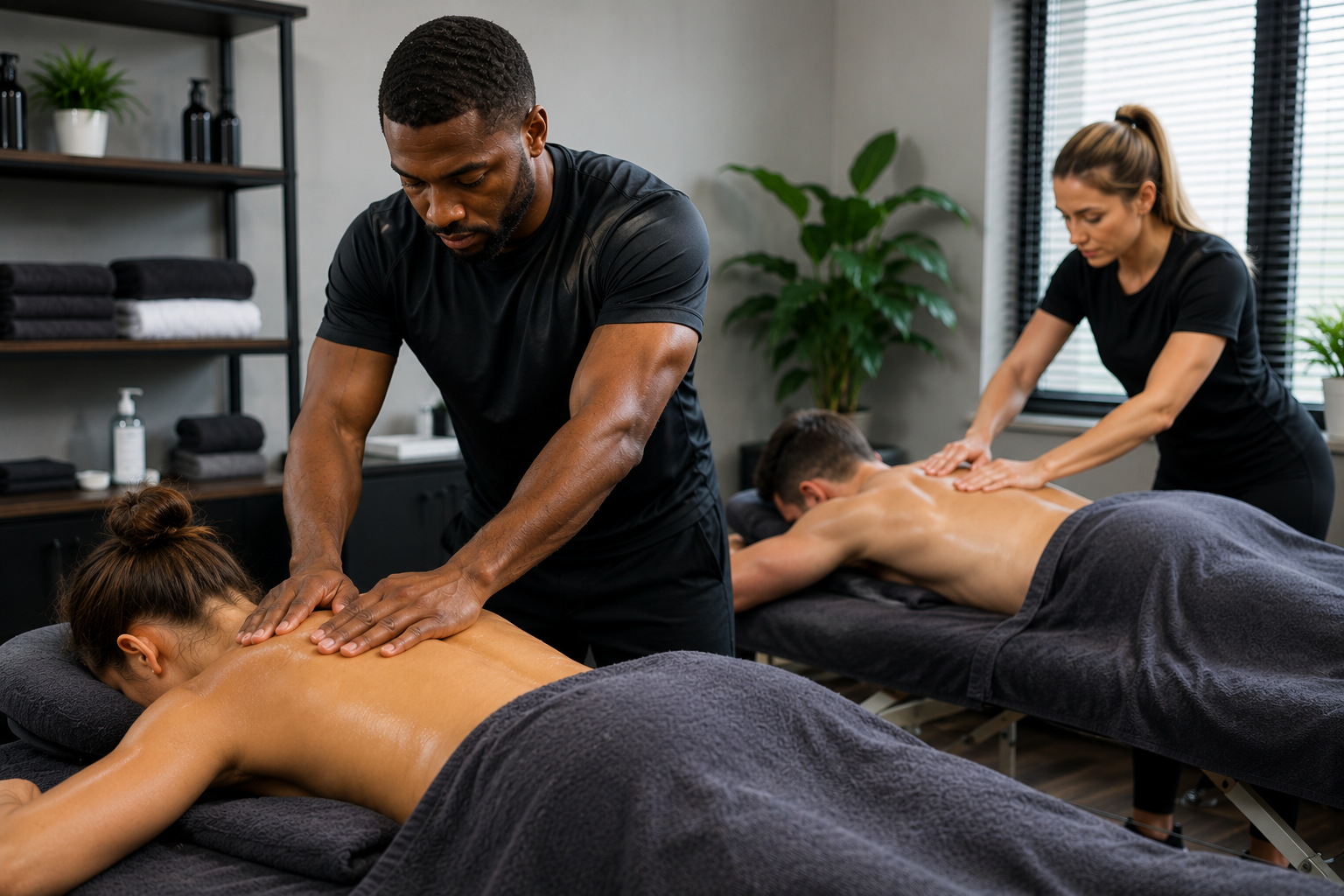
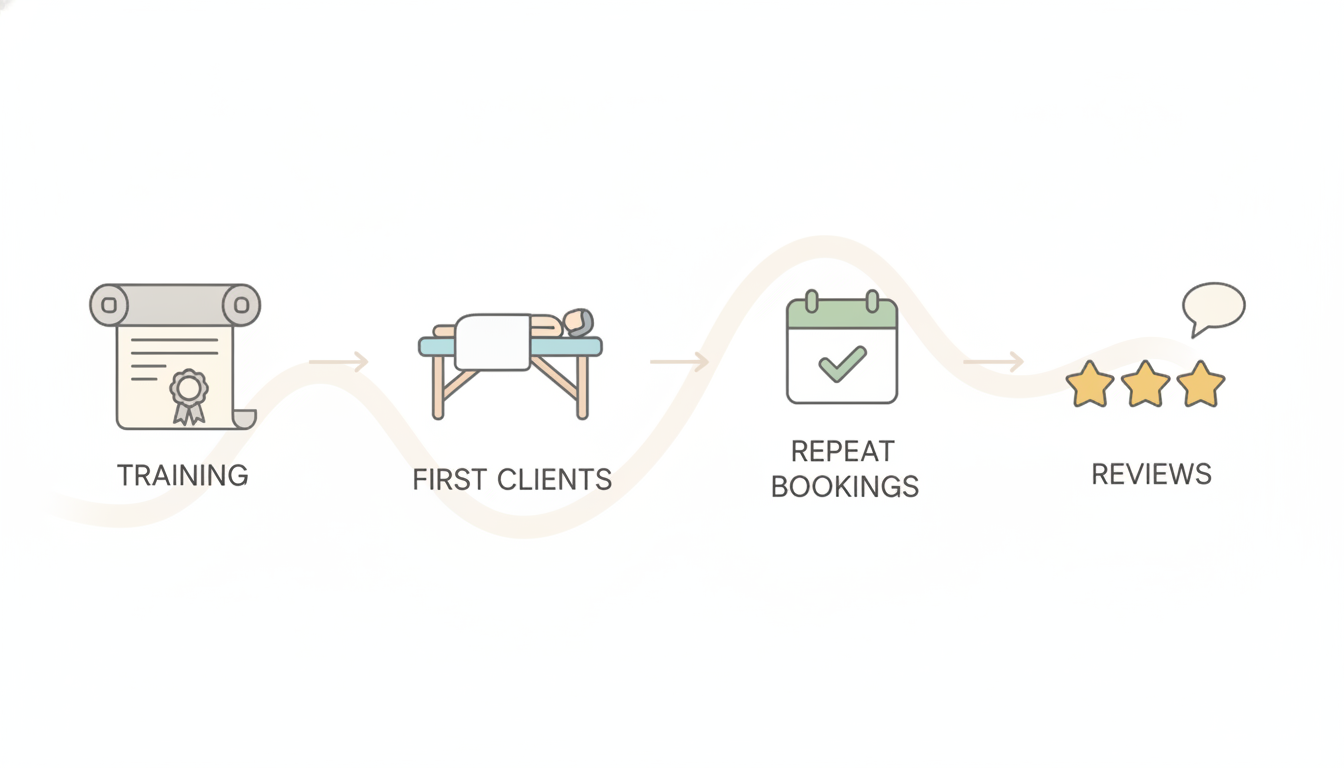
Next, it helps to be clear about what a Level 3 sports massage qualification is for: safe, practical work with real clients, not diagnosing injuries or replacing medical care.
By the end, you should be able to carry out a basic client assessment, choose suitable soft-tissue techniques for the goal in front of you, and work within professional boundaries so both you and your client stay protected.
Also, think in terms of a simple session you can repeat consistently: ask the right questions, check for risk, treat with a clear purpose, then document what you did.
Typical things you’ll be trained to do include:
Take a clear client history and set a session goal (for example, post-run calf tightness or desk-based neck and shoulder tension)
Run basic checks before you start, including red flags that mean you should not treat and should refer on
Pick techniques that match the tissues and the person, not just your favourite routine
Explain what you’re doing in plain English and get informed consent
Work safely and professionally, including hygiene, positioning, and client comfort
Stay within scope, meaning you support recovery and performance but do not diagnose or claim to “fix” injuries
If you do one thing, focus on the scope and safety piece. A technically good massage can still be the wrong call if the client shouldn’t be treated that day.
That said, most Level 3 programs boil down into three pillars that work together.
Anatomy and physiology: what the main muscles do, how joints move, and what common tight areas feel like in different bodies
Sports massage techniques: how to apply pressure, pace, and positioning for outcomes like reducing tightness, improving range of motion, or supporting post-training recovery
Professional practice: consultation, records, communication, boundaries, referral decisions, and how to run sessions reliably
Here’s the catch: theory without hands-on practice stays theoretical, and hands-on work without theory can turn into guesswork. This qualification aims to give you enough of both to work with general clients and active people safely.
If you’re short on time, spend extra practice hours on consultations and decision-making, not just technique drills. Many new practitioners make the mistake of jumping straight to treatment; the fix is a 5 to 10 minute intake that guides what you do next.