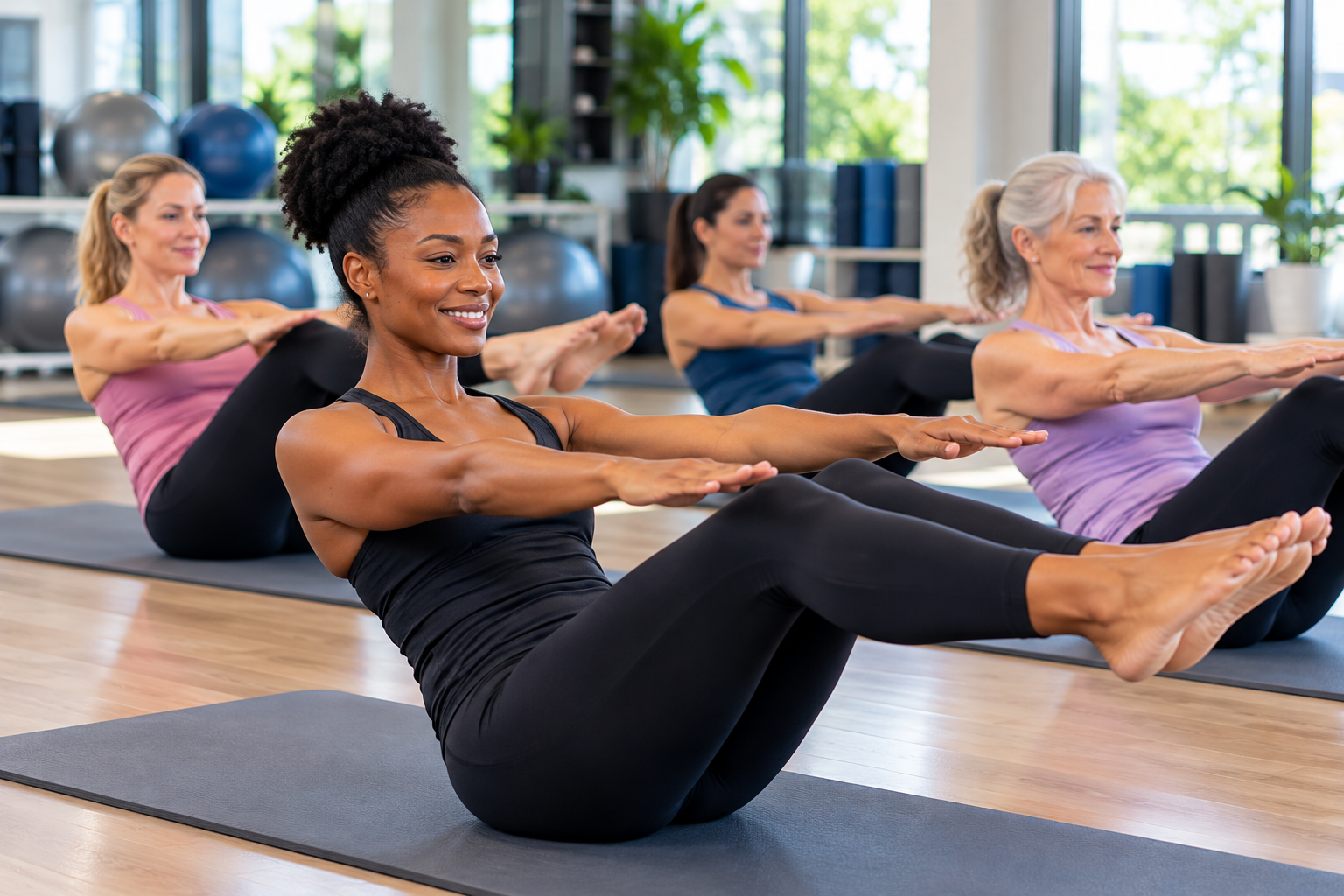
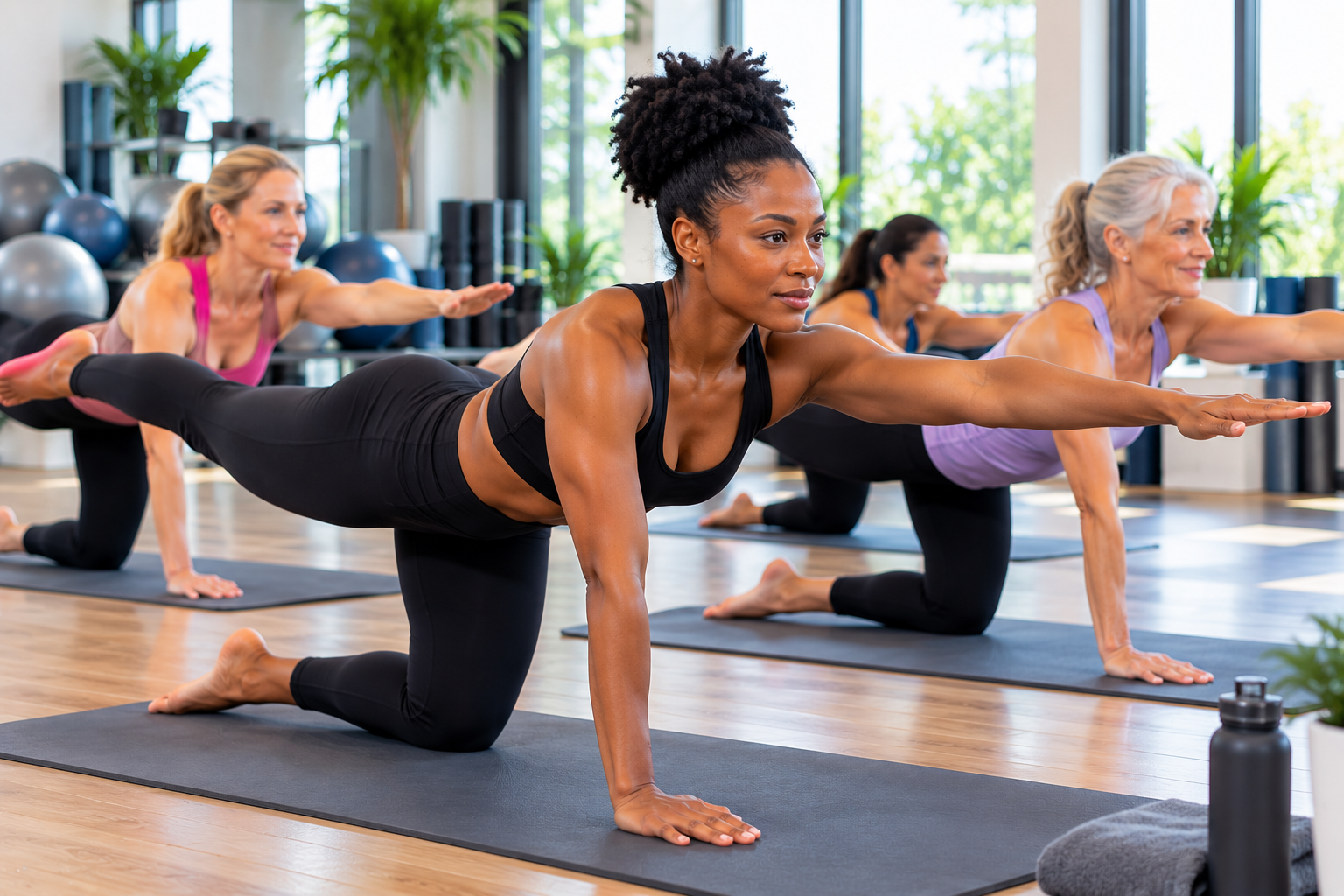
Next, the biggest reason people quit exercise is not motivation, it’s friction. If the plan needs a contract, a lot of gear, or a 90-minute time block, it competes with work, kids, and energy levels. A simple £20 per hour class removes much of that friction by keeping the commitment clear and the cost predictable.
If you do one thing, protect a weekly slot like an appointment. Treat it as one hour door-to-door if you’re nearby (or closer to 90 minutes if you include travel), and build your week around that anchor. Works best when your class time stays consistent week to week, and it tends to fail when you keep moving it around or waiting for the “perfect” day.
Here’s what makes Pilates easier to keep doing in real life:
No long-term contracts, so you are not paying for weeks you cannot attend
No specialist equipment needed, so you can focus on learning the movements, not buying things
A one-hour commitment, which is easier to fit in than open-ended gym sessions
Adaptable exercises, so beginners can start with simpler versions and still get a solid session
A common mistake is going too hard in week one, then needing a long break. The fix is to aim for “repeatable effort” where you leave feeling better than when you arrived, not wiped out.
In practice, if you compare options around Bedford by value, look past the headline price and check what you actually get per hour. Supportive coaching matters because small cues (like how you breathe or where your ribs sit) can change an exercise in seconds. Adaptable exercises matter because a sore back, tight hips, or low energy day should not force you to skip the session.
Also, a consistent weekly slot is part of the value. You are not spending extra time planning workouts, guessing what to do, or wandering the gym floor. You show up, follow along, and steadily build strength and control you can use in daily life.